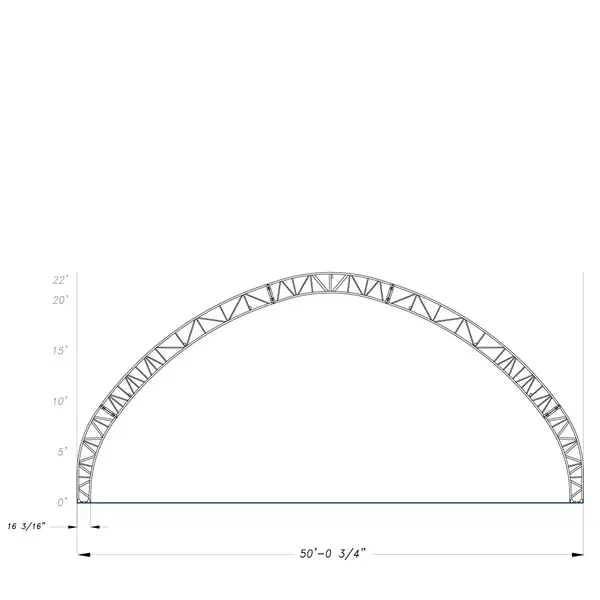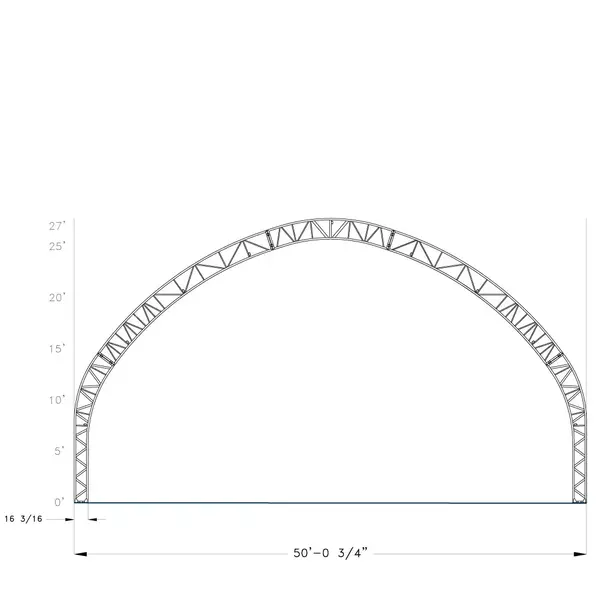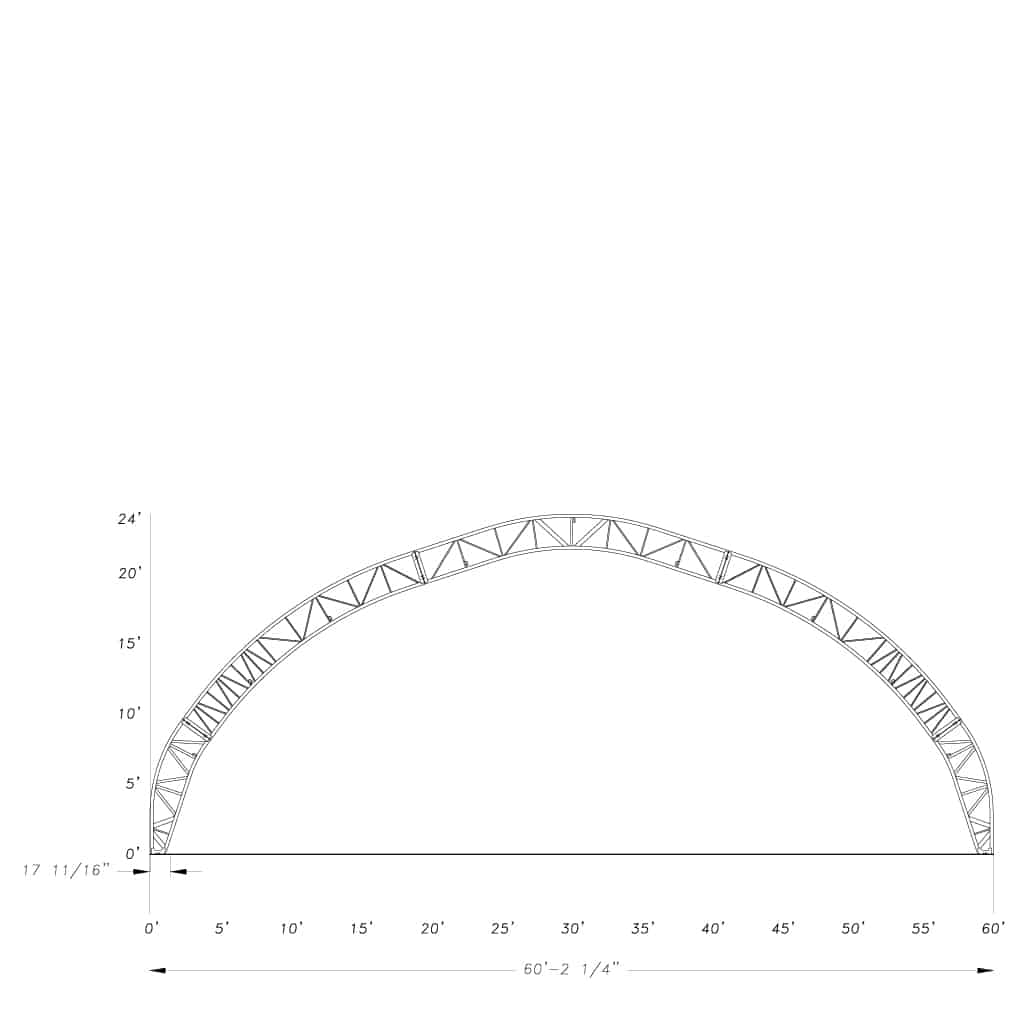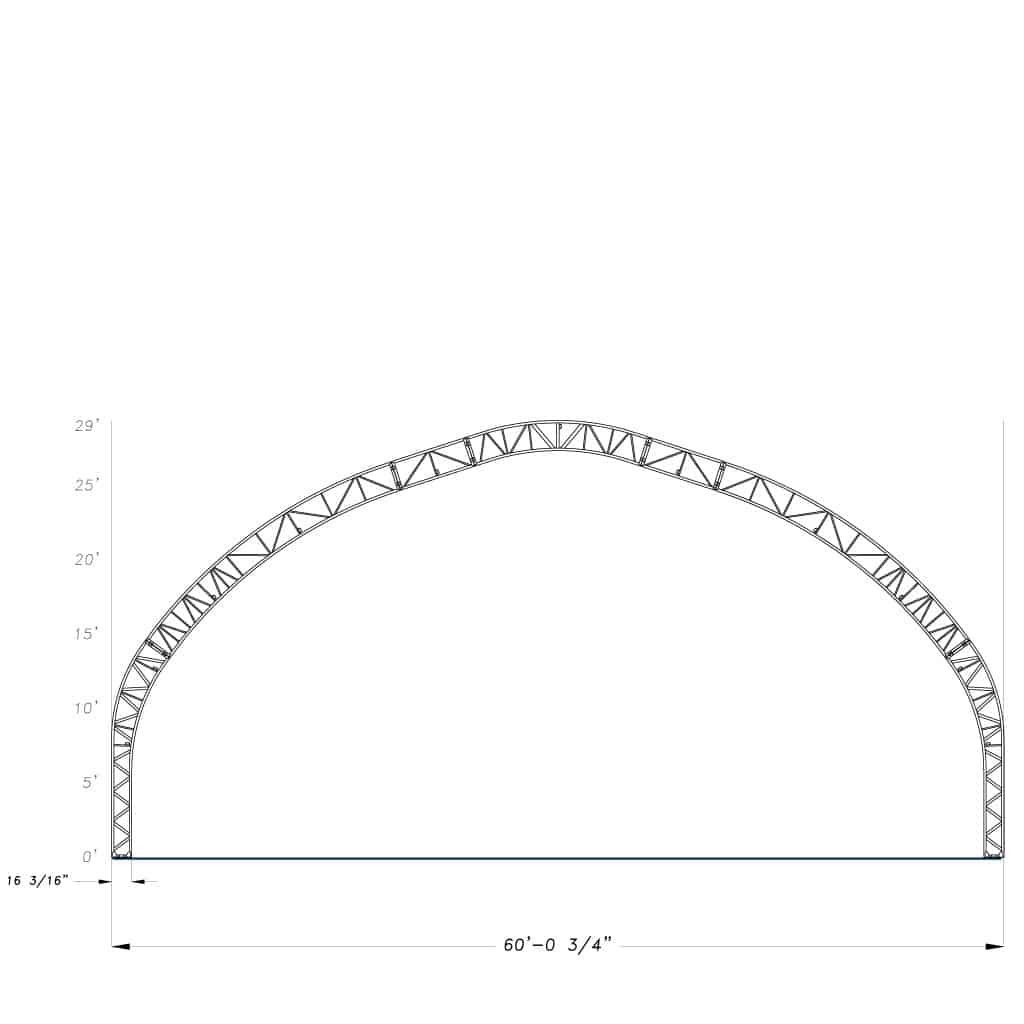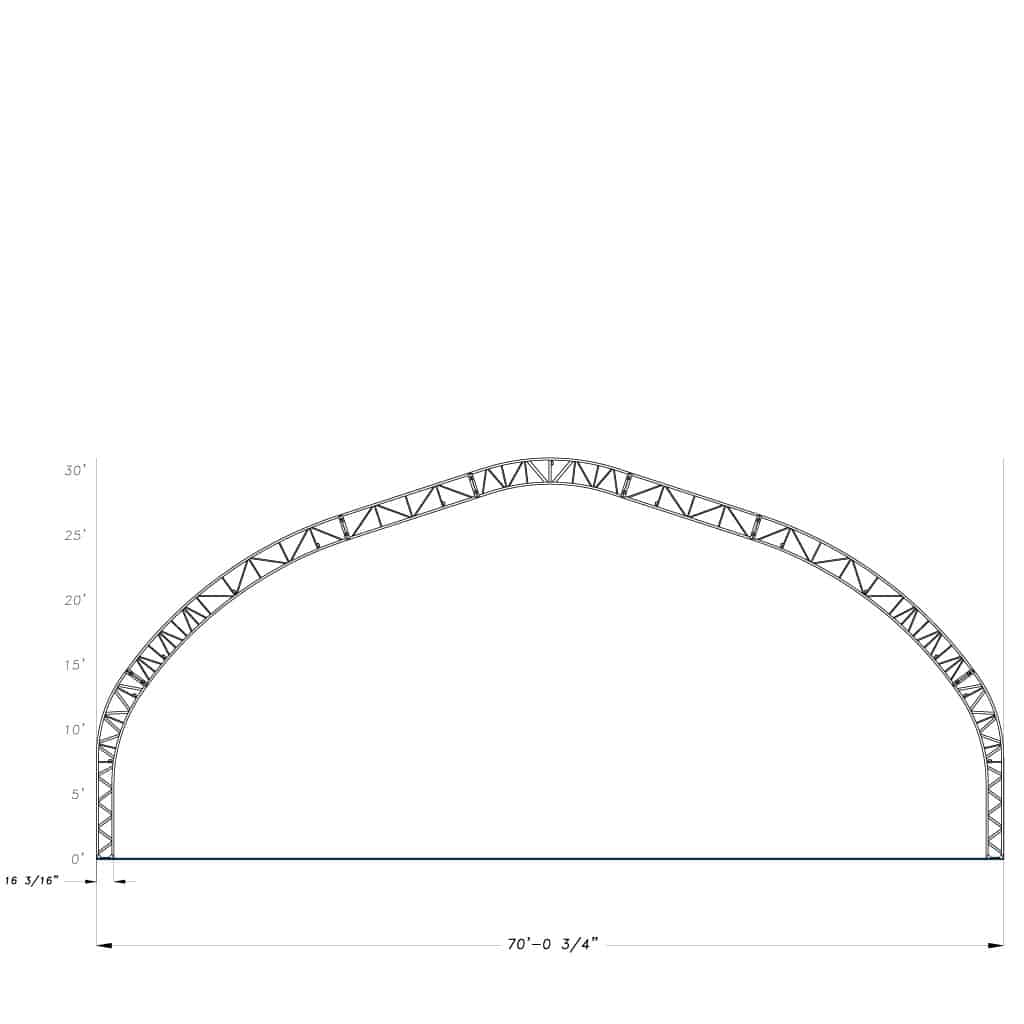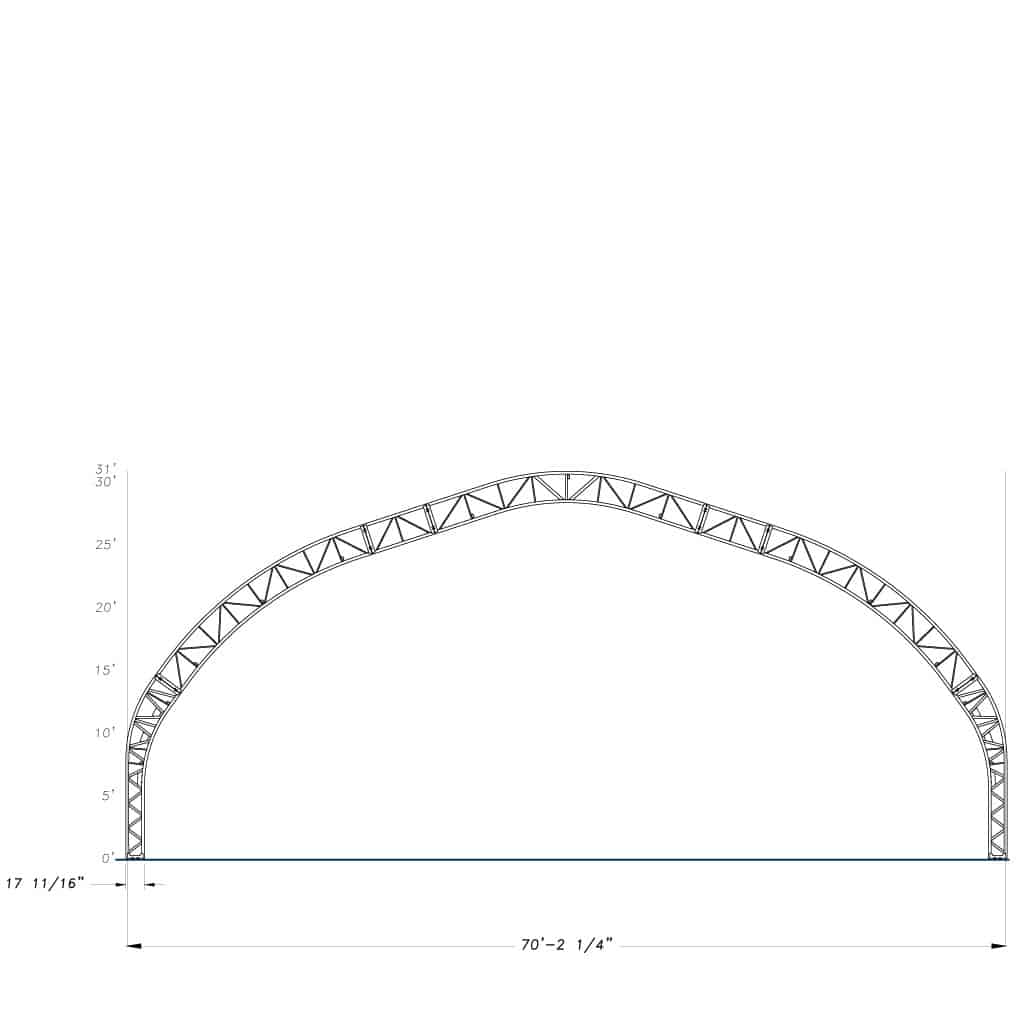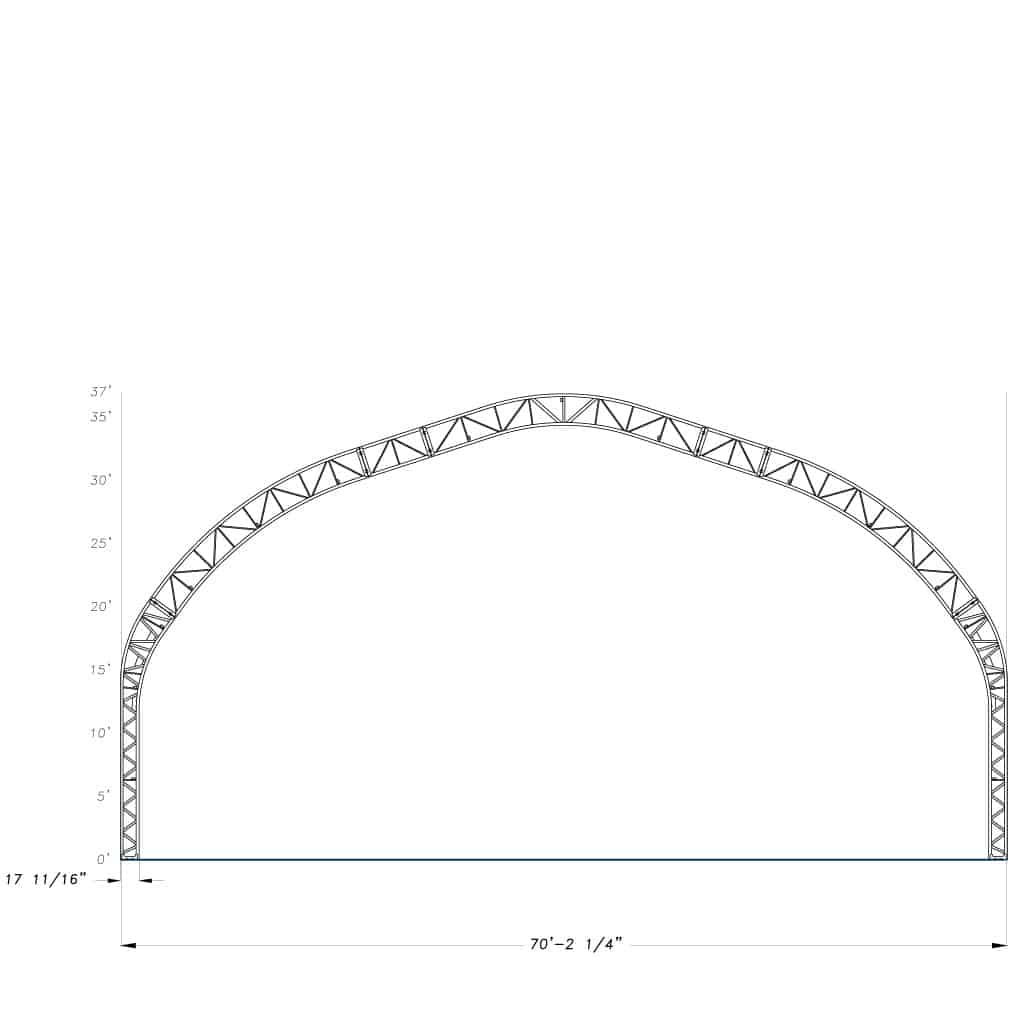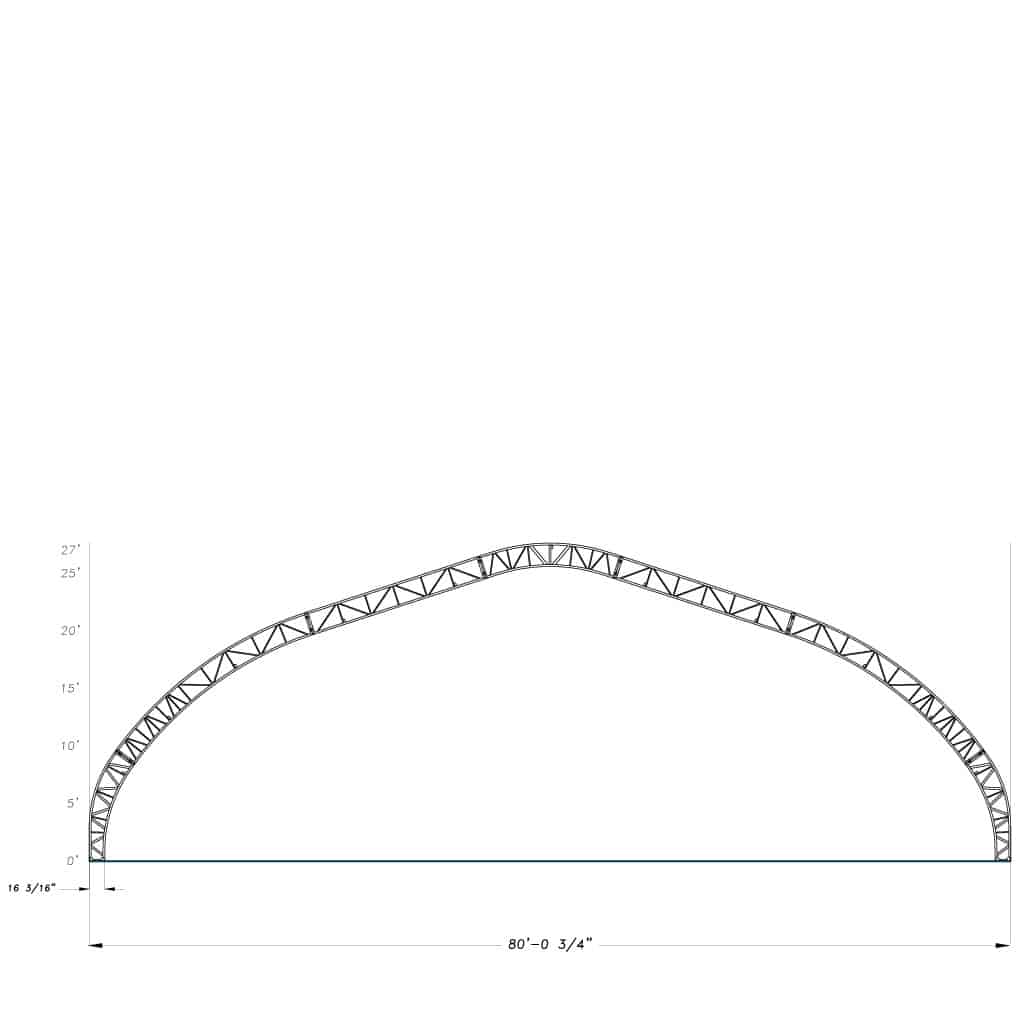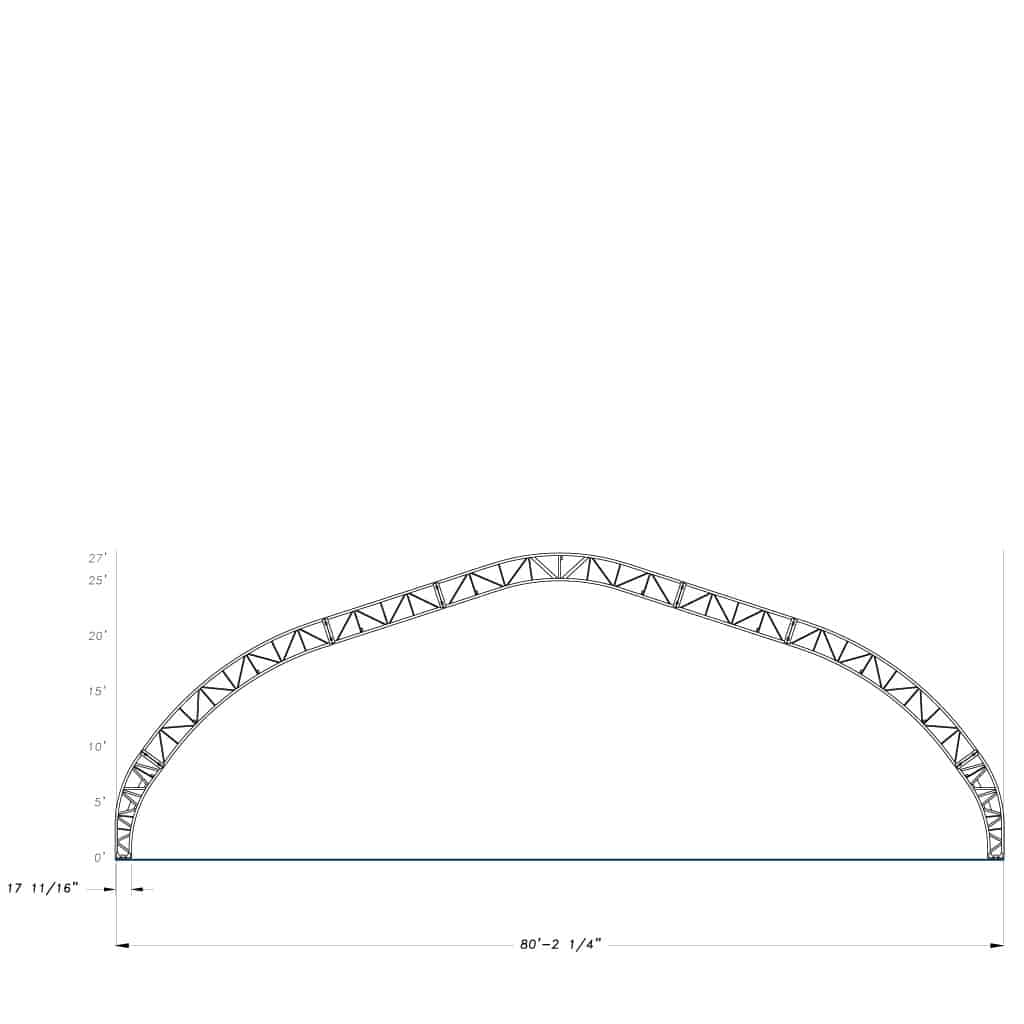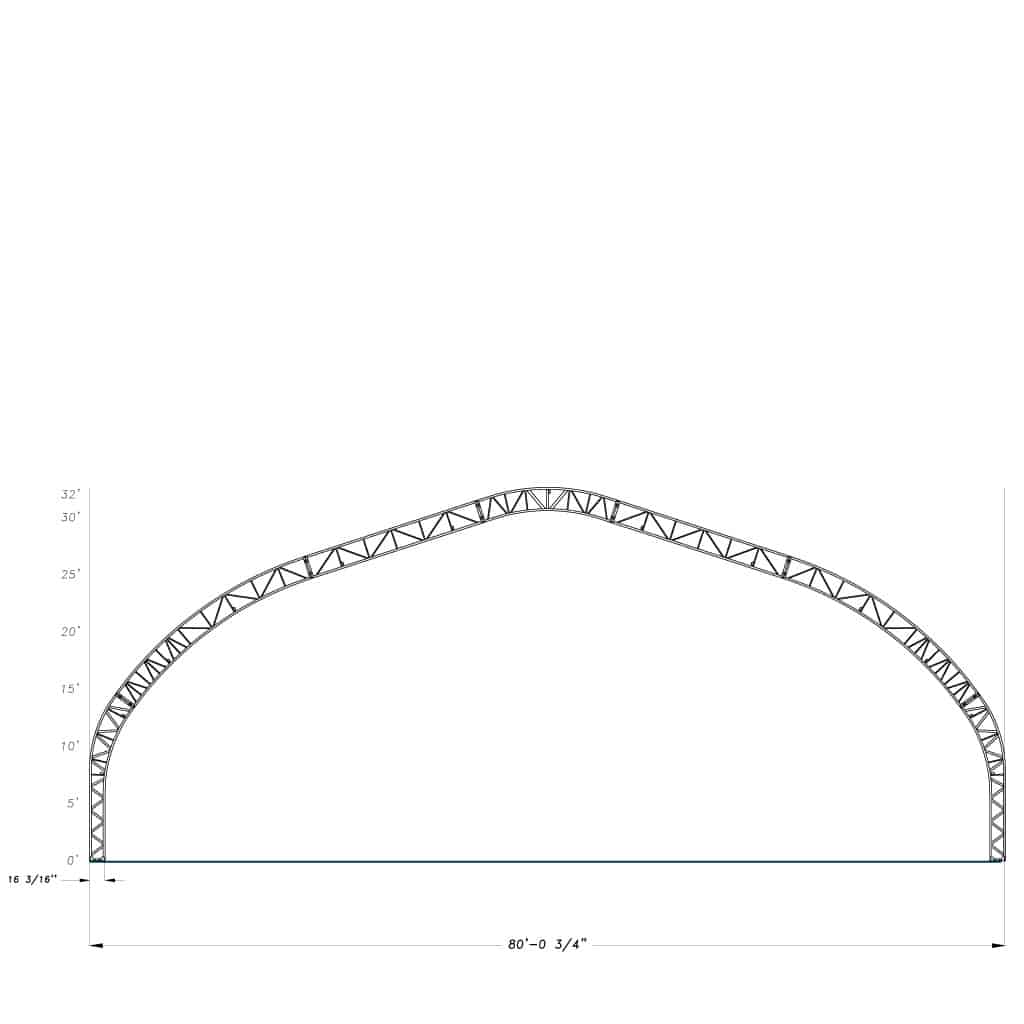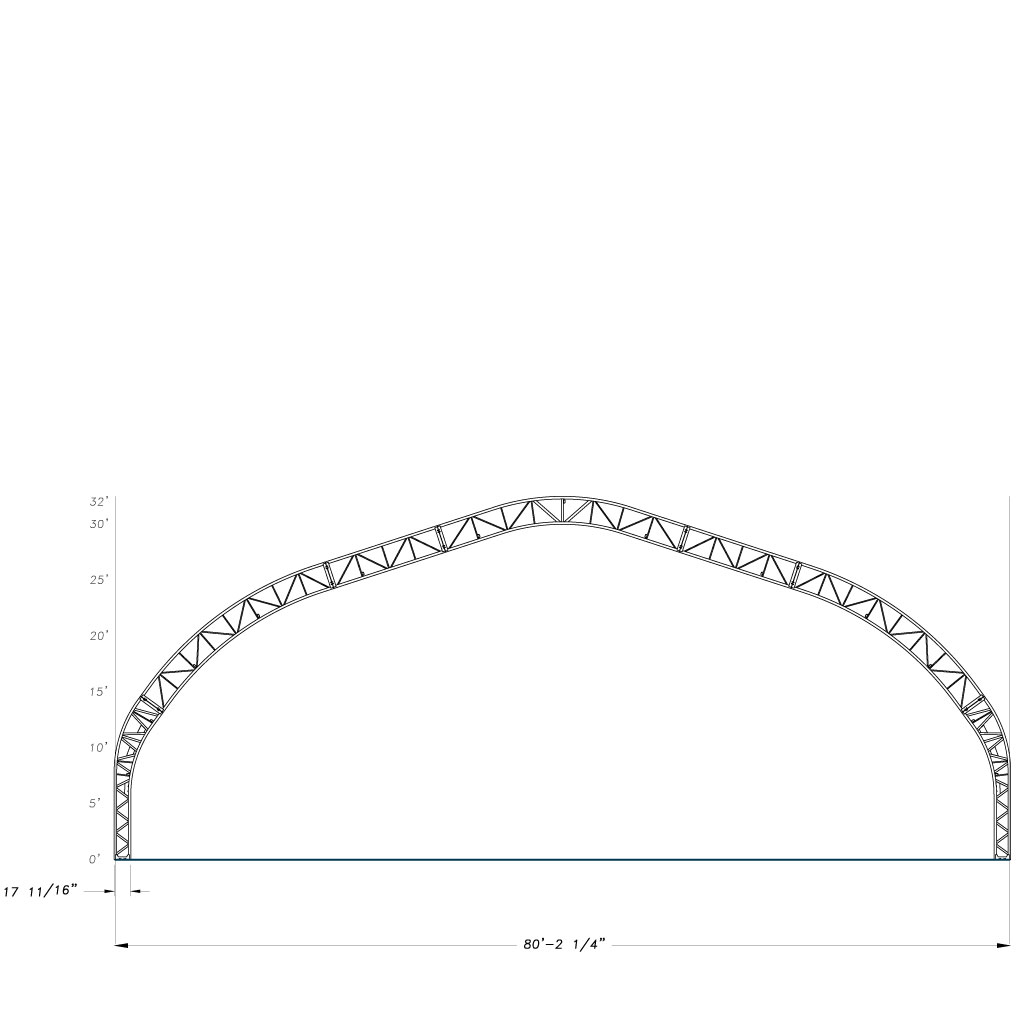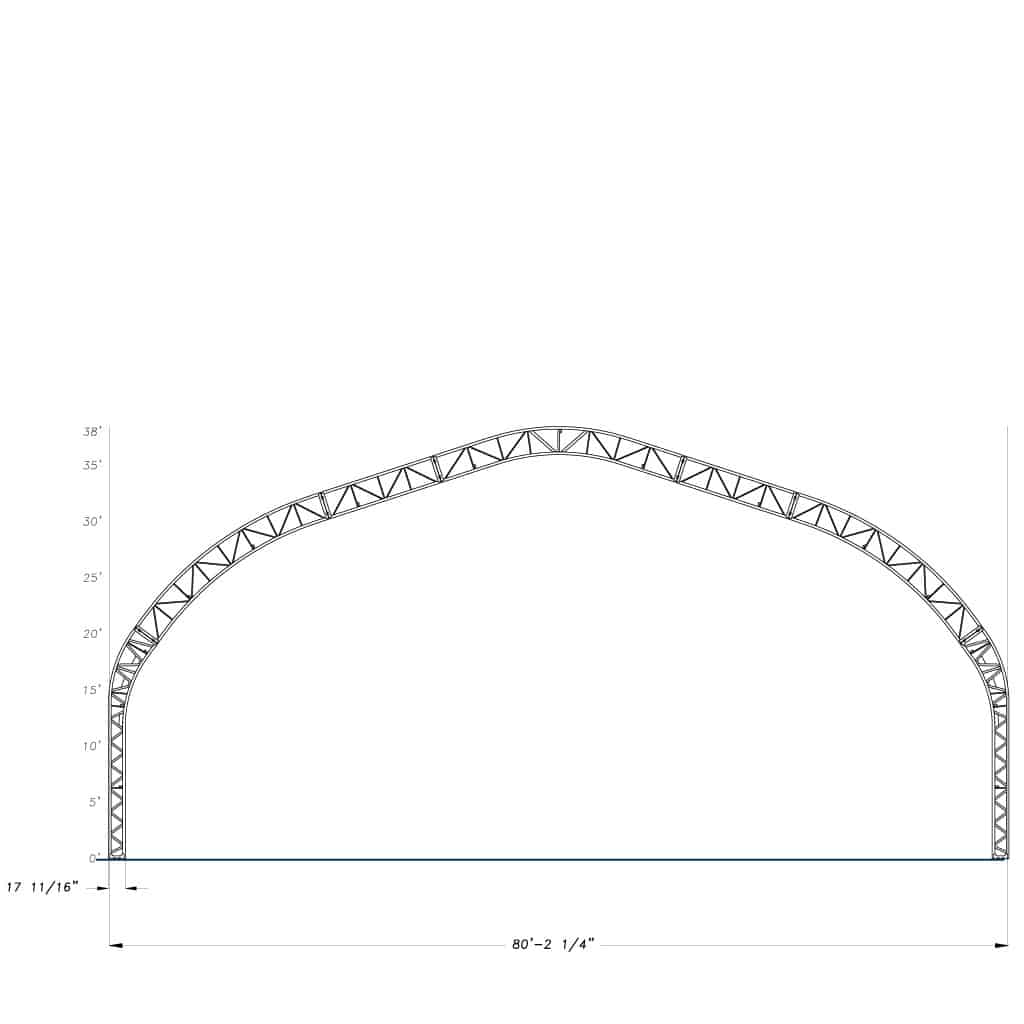
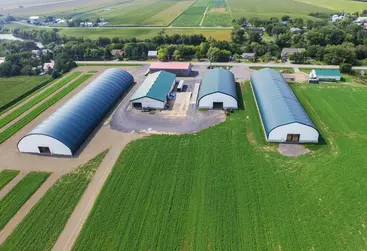
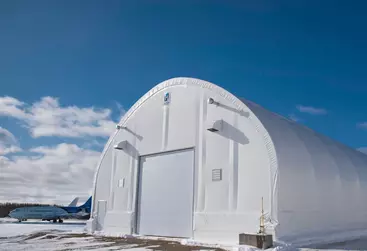
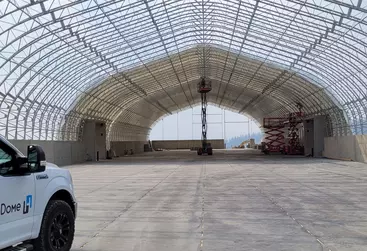
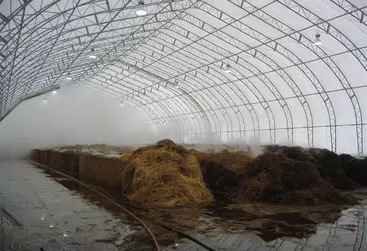
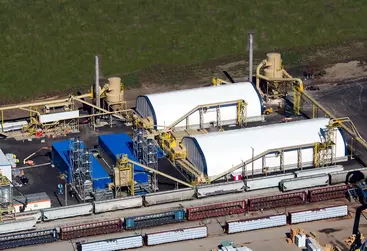
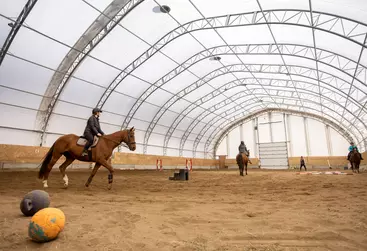
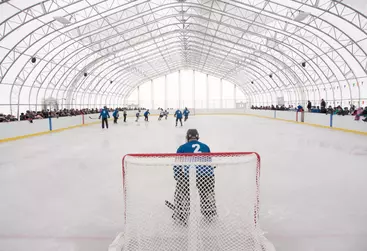
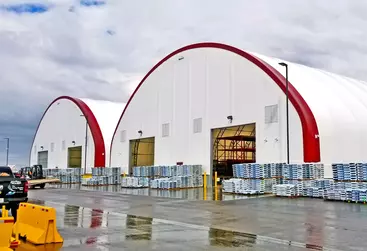
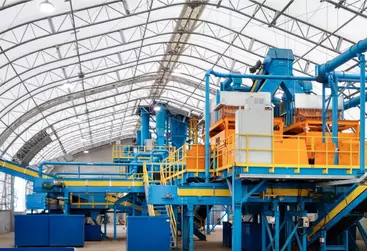
If you’re searching for the top fabric building manufacturer in Ontario, you’ve come to the right place. This guide profiles the leading Canadian manufacturer with Ontario coverage, compares local distributors and installers, and gives you a clear framework for choosing the right engineered fabric structure for your project – whether agricultural, industrial, commercial, or municipal.
Selection criteria include: manufacturing presence, Ontario engineering compliance, clearspan portfolio, and verifiable customer track record.
Canadian Fabric Building Manufacturer in Ontario
Ontario’s market is served by multiple Canadian fabric building manufacturers with an extensive dealer network, supported by several regional distributors offering local fabrication, installation, and aftersales support.
Why Choose Fabric Building Manufacturer in Ontario?
Engineered fabric structures – also called tension fabric buildings or clearspan fabric structures – have become the goto solution across Ontario for a wide range of industries. Here’s why buyers consistently choose them over conventional construction:
Cost-Effectiveness
Fabric buildings typically cost 30–50% less per square foot than comparable steel or concrete structures. Lower foundation requirements, faster erection times, and minimal finishing work all reduce overall project costs. For agricultural operations, industrial storage, and municipal facilities, this makes engineered fabric structures one of the most financially sound building decisions available in Ontario.
Durability and Longevity
Today’s fabric building membranes are engineered from HDPE fabrics rated to withstand Ontario’s full climate range – from heavy lake effect snowfall in the north to freeze thaw cycles in southern regions. Leading manufacturers like MegaDome by Harnois offer 15 year membrane warranties and galvanized steel frames with multi decade service lives. Properly maintained fabric buildings routinely last 25–35 years.
Versatility Across Industries
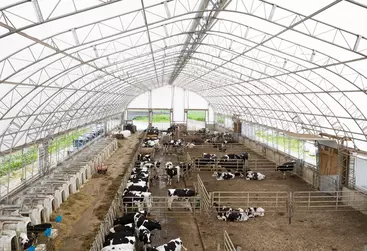
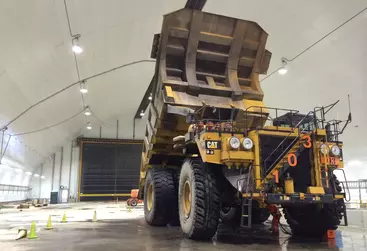
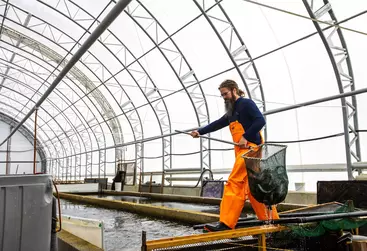
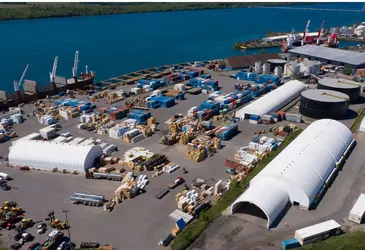
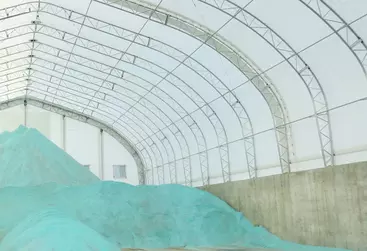
No other structure type serves as many sectors. Fabric building manufacturer in Ontario can design and manufacture buildings that can be used for livestock barns, equestrian arenas, grain and commodity storage, salt and sand domes, waste management covers, aerospace MRO hangars, recreational domes, and temporary or permanent construction shelters. Their clearspan interior – free of interior columns – makes them uniquely adaptable for heavy equipment access and flexible floor layouts.
Quick Installation
A fabric building can typically be erected in days to weeks, versus months for conventional construction. This speed advantage is especially critical for agricultural operations facing seasonal deadlines, municipalities managing urgent storage needs, or industrial operators who cannot afford extended project timelines. Most Ontario based installers can mobilize within 2–4 weeks of permit approval.
Top Fabric Building Manufacturer in Ontario: MegaDome by Harnois
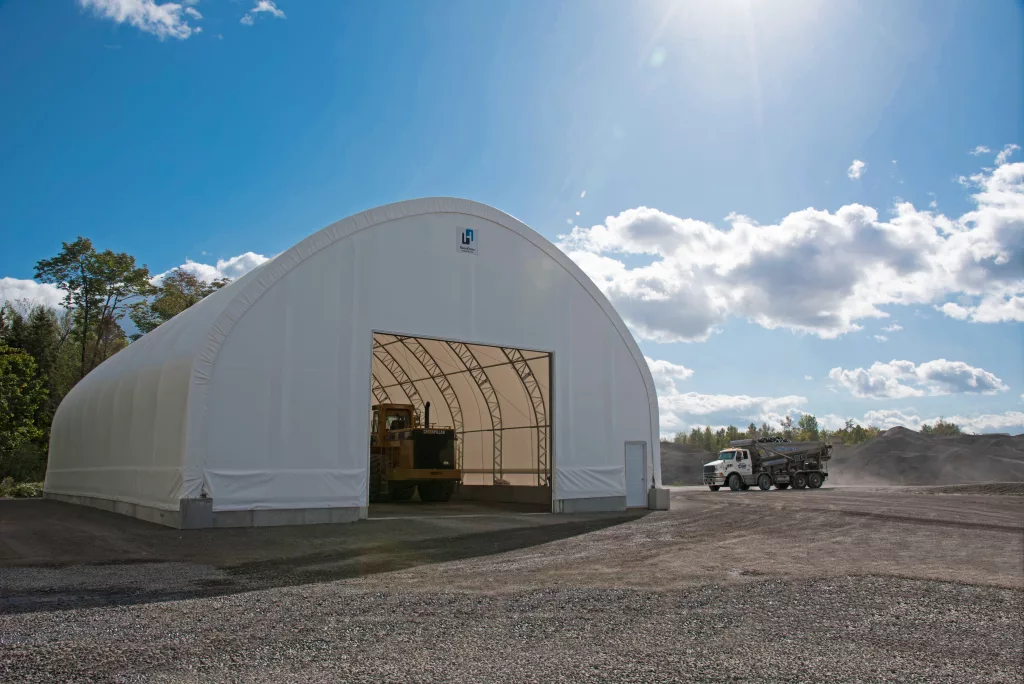
MegaDome by Harnois is the leading fabric building manufacturer in Ontario. Founded in Quebec in 1965, Harnois has over six decades of engineering expertise in coverall fabric building systems – making them one of the most experienced fabric structure manufacturers in North America.
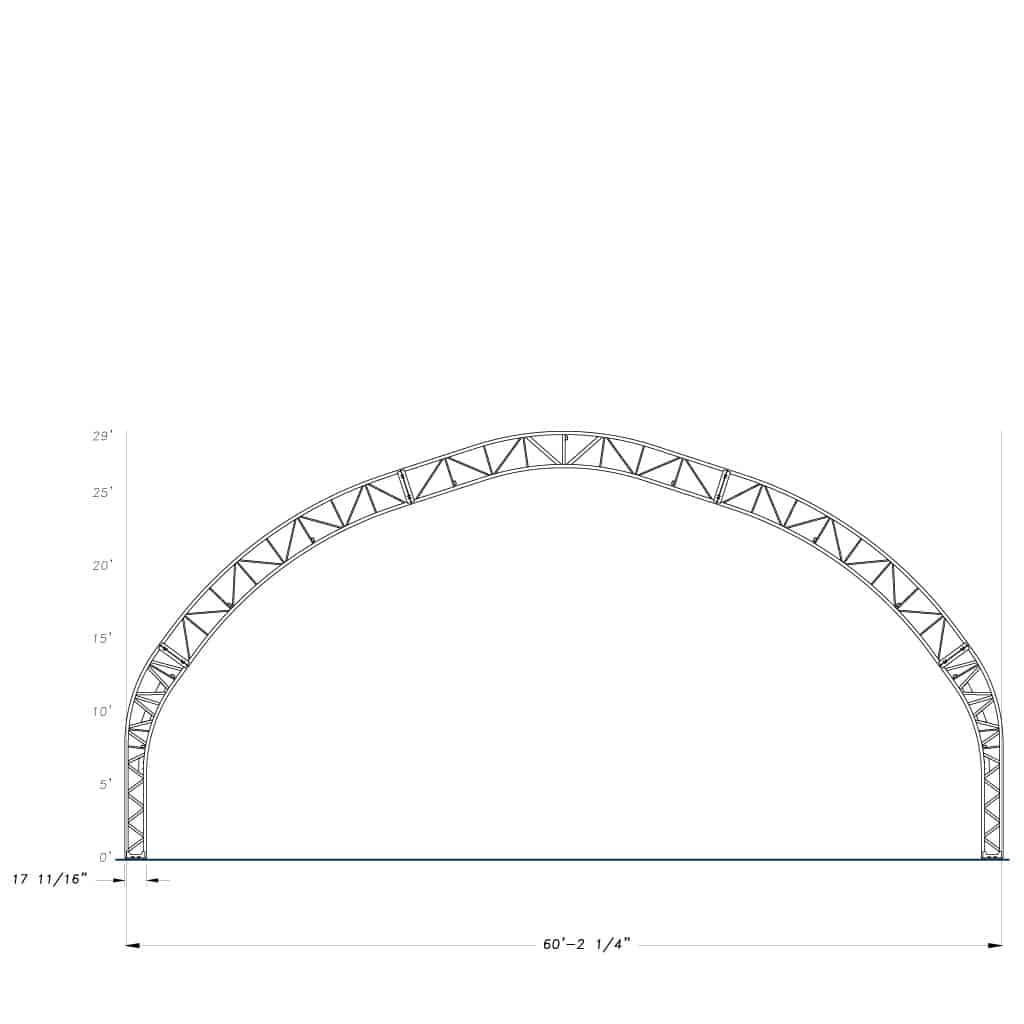
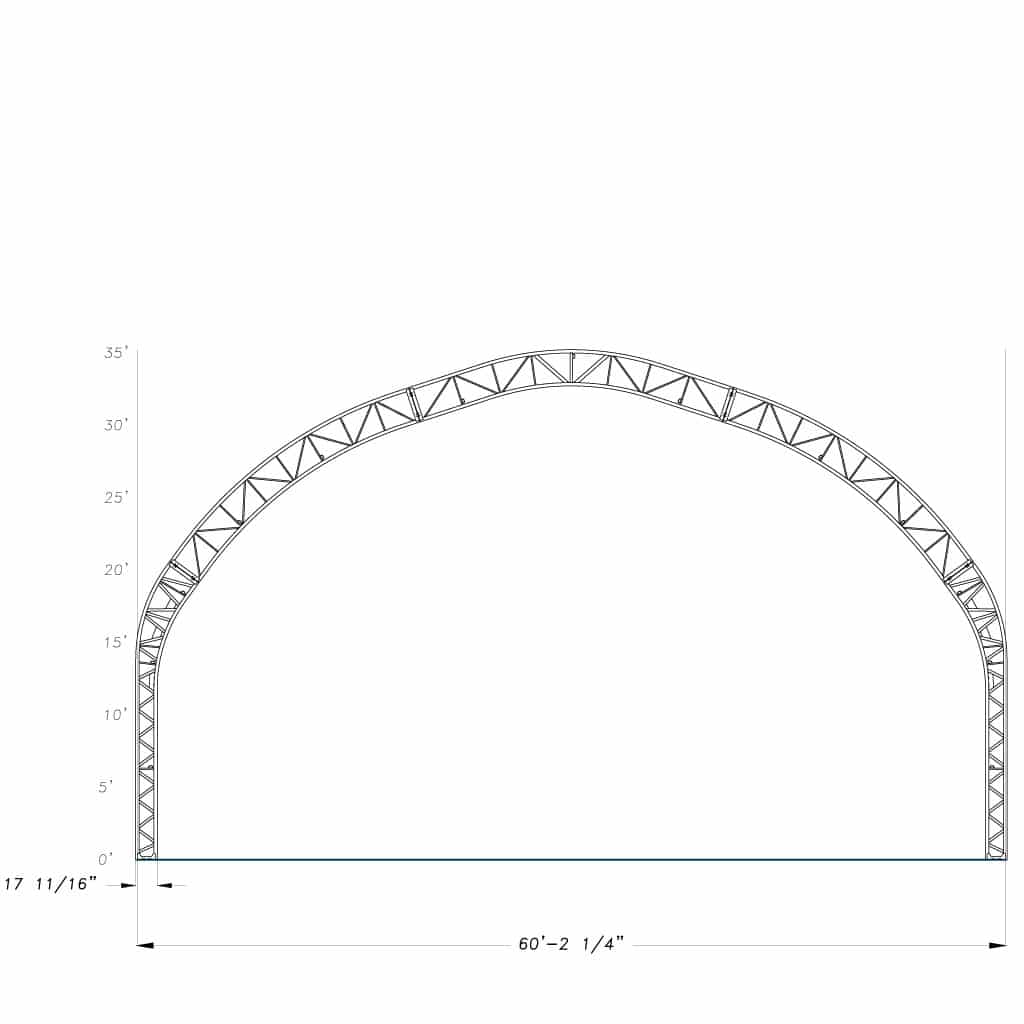
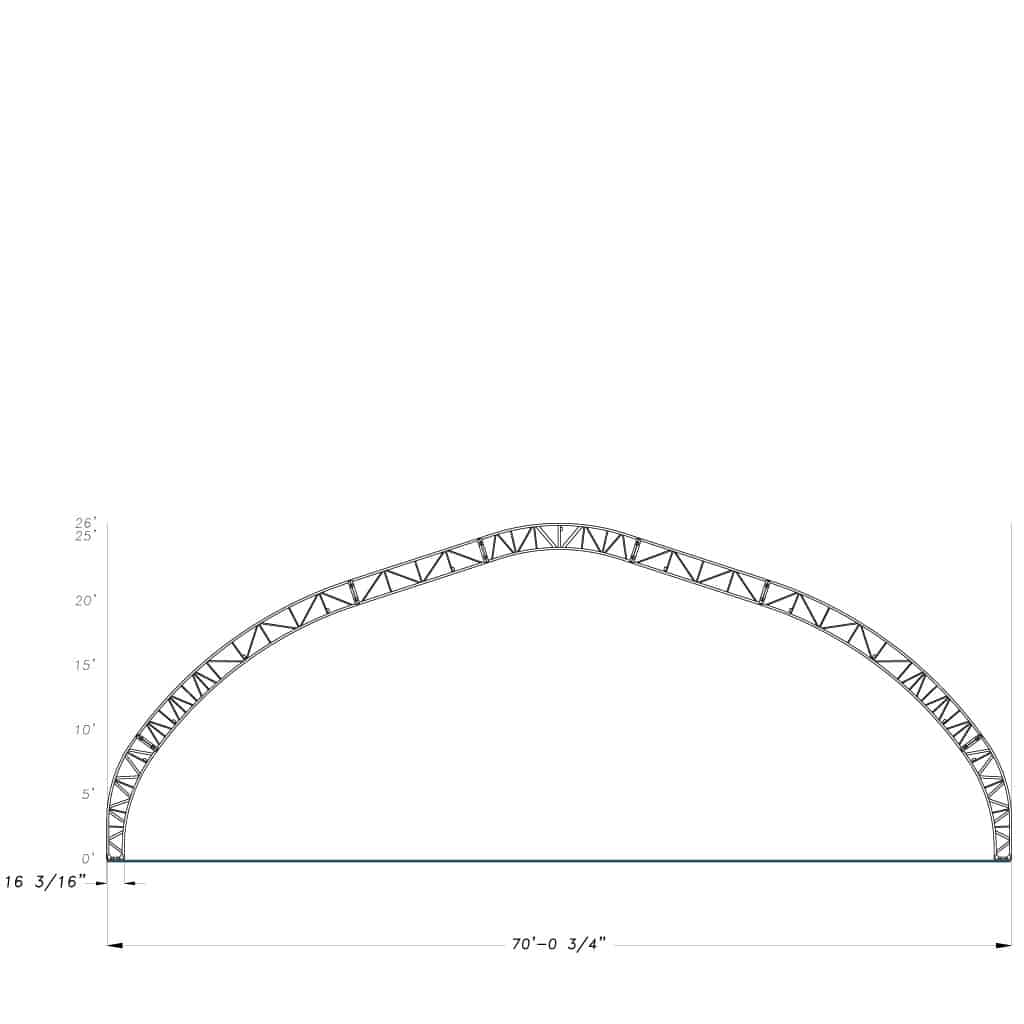
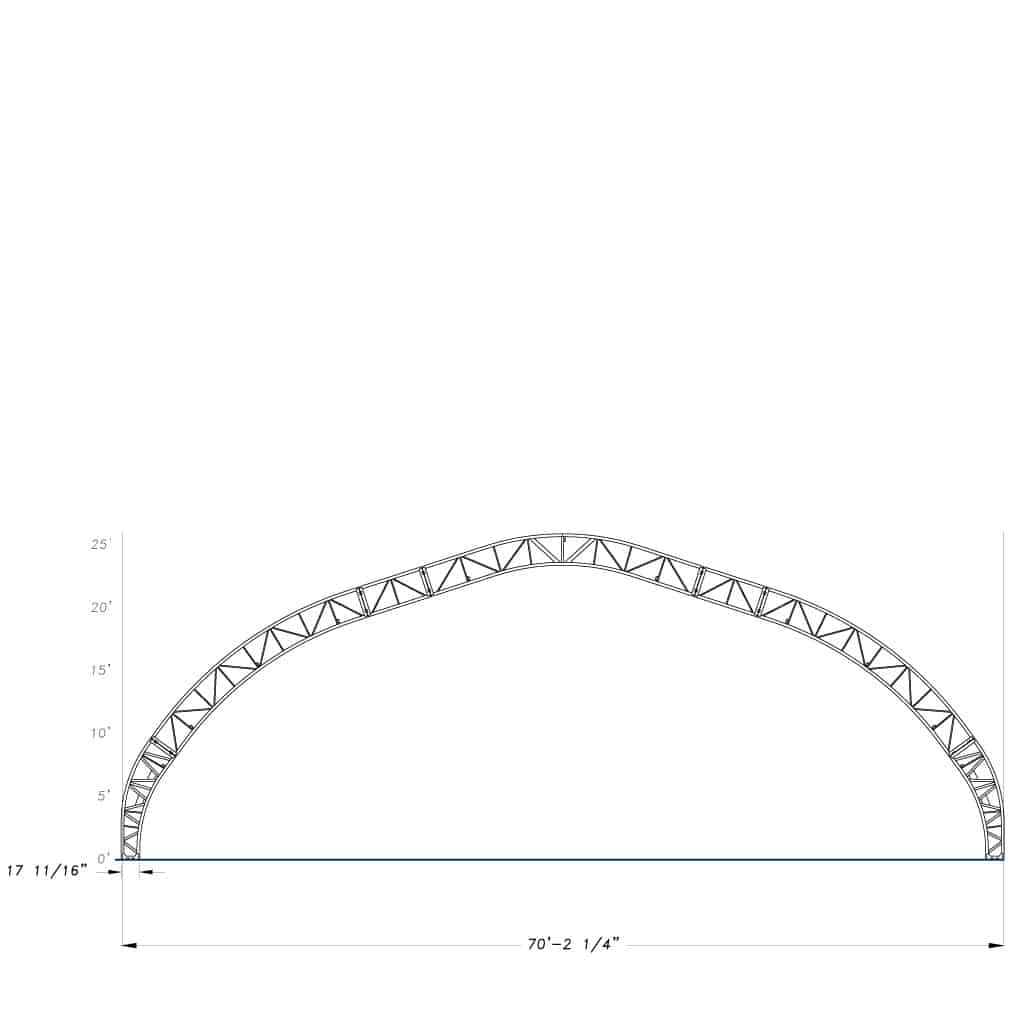
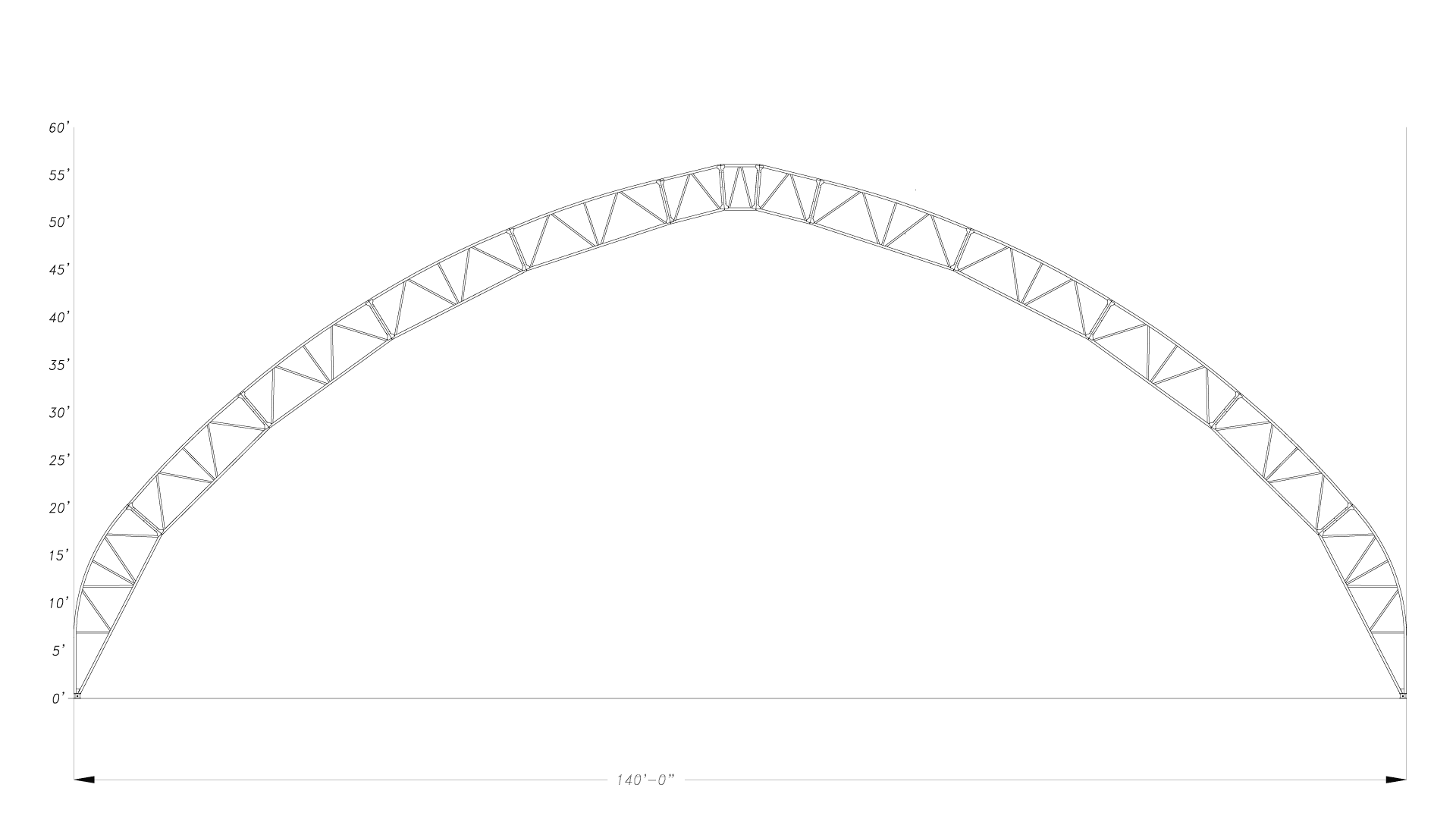
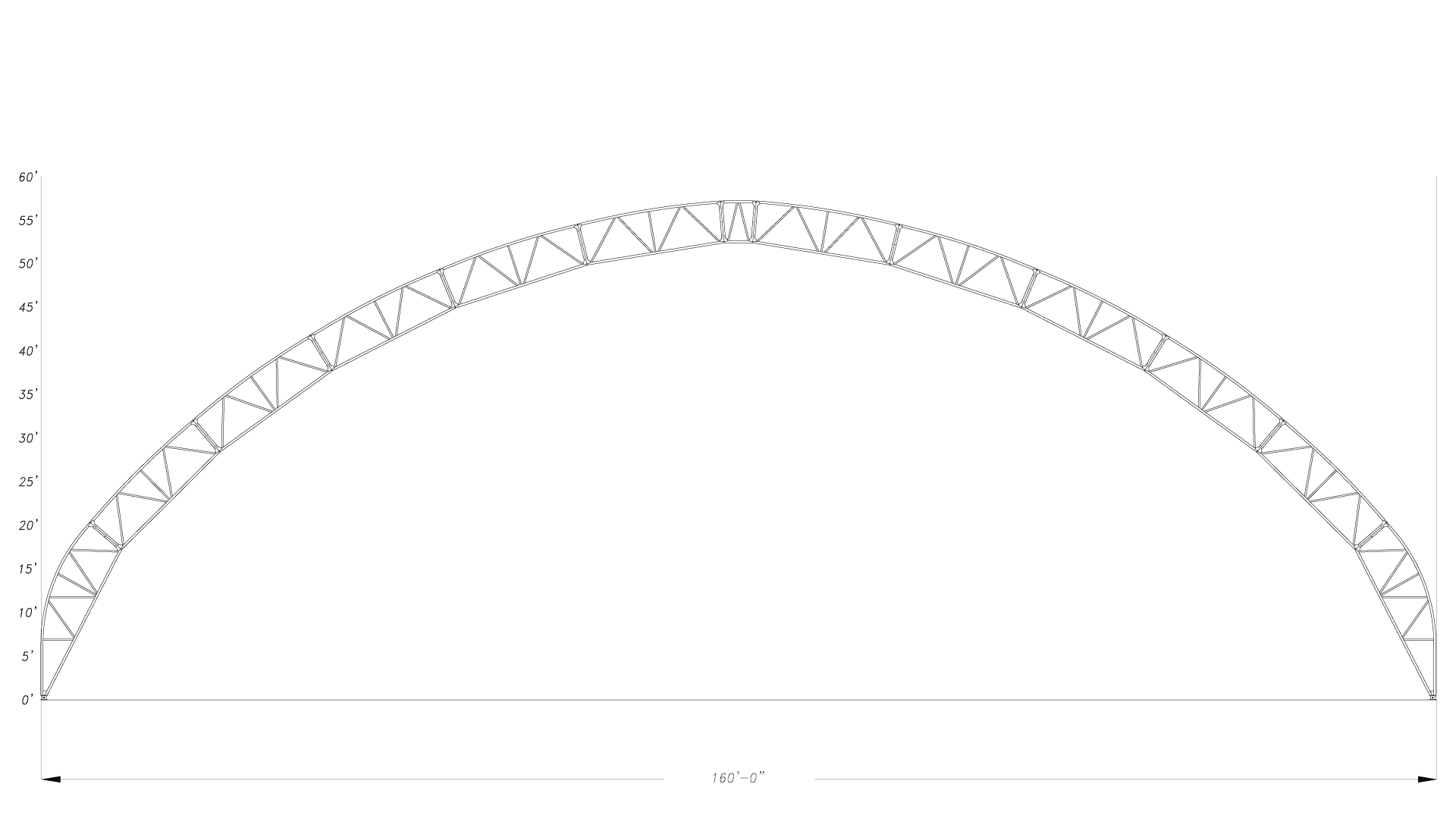
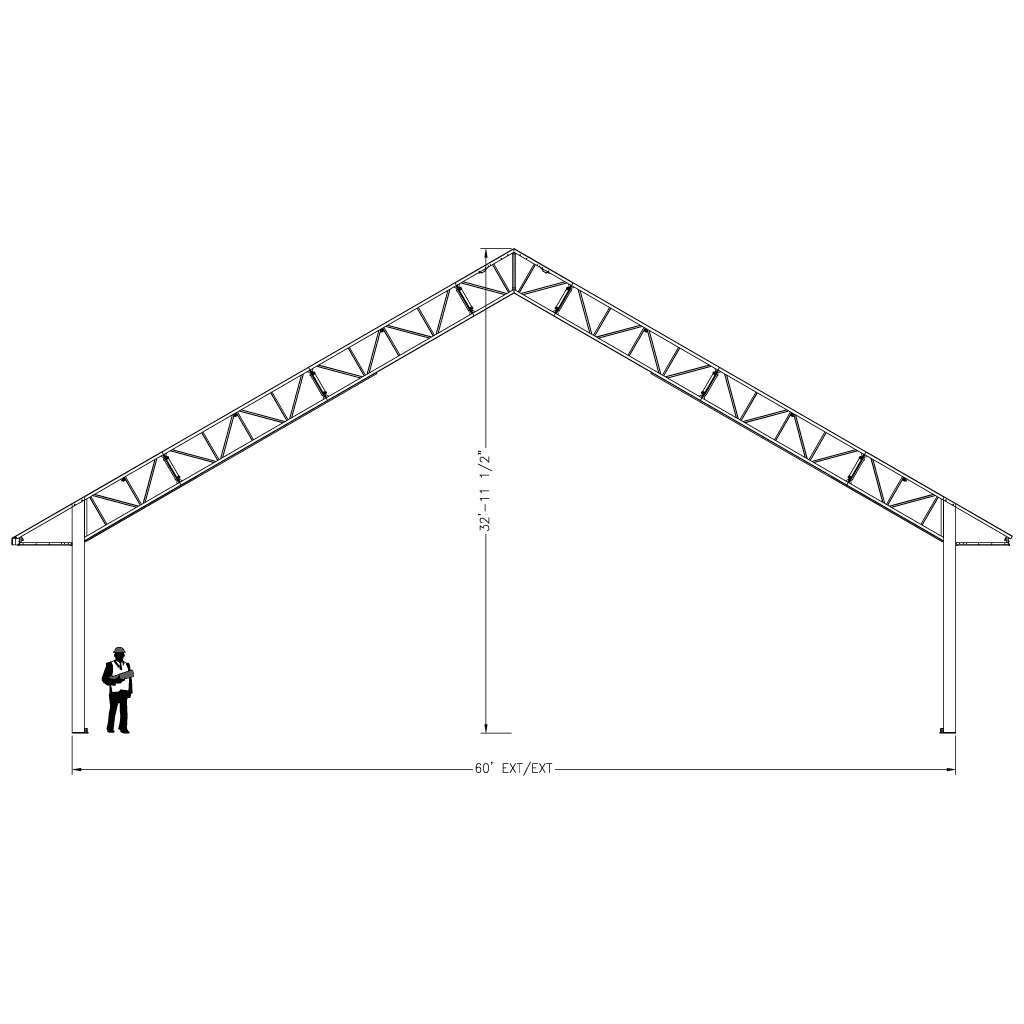
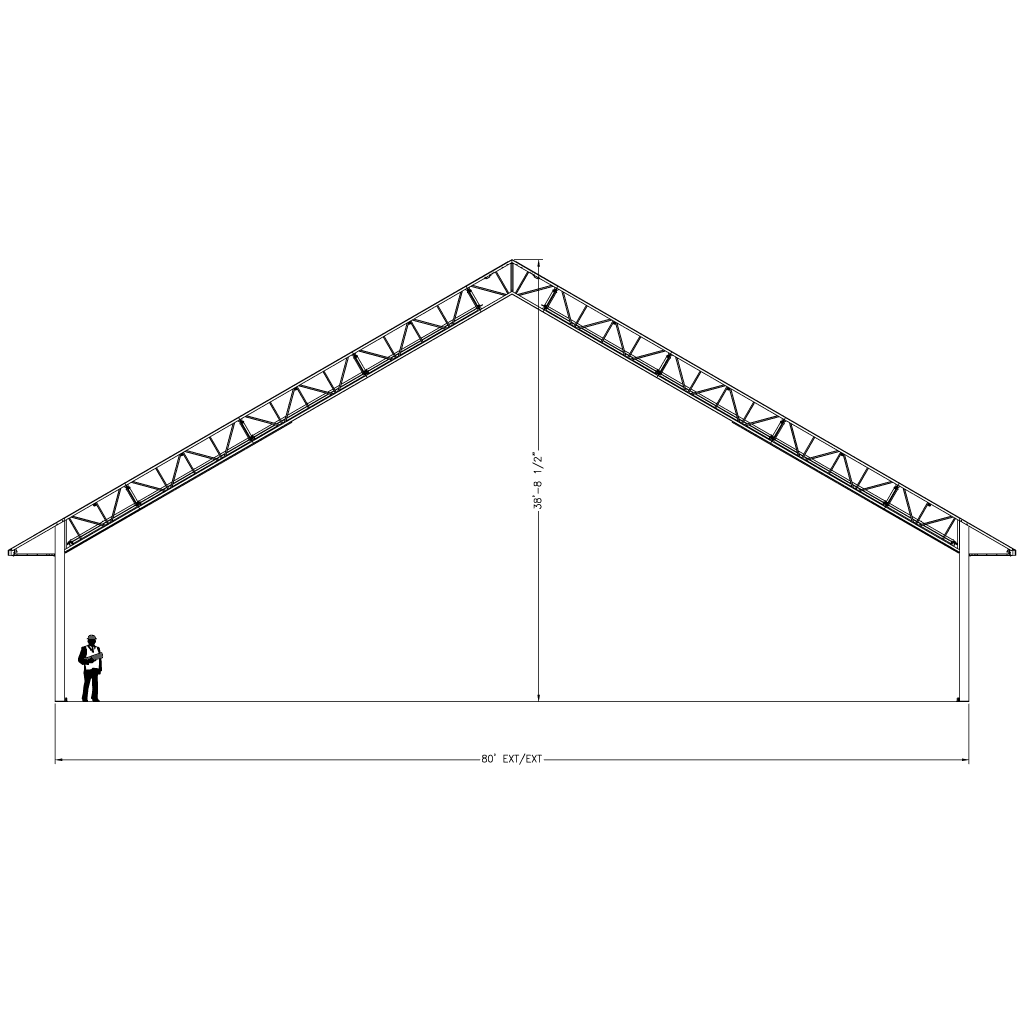
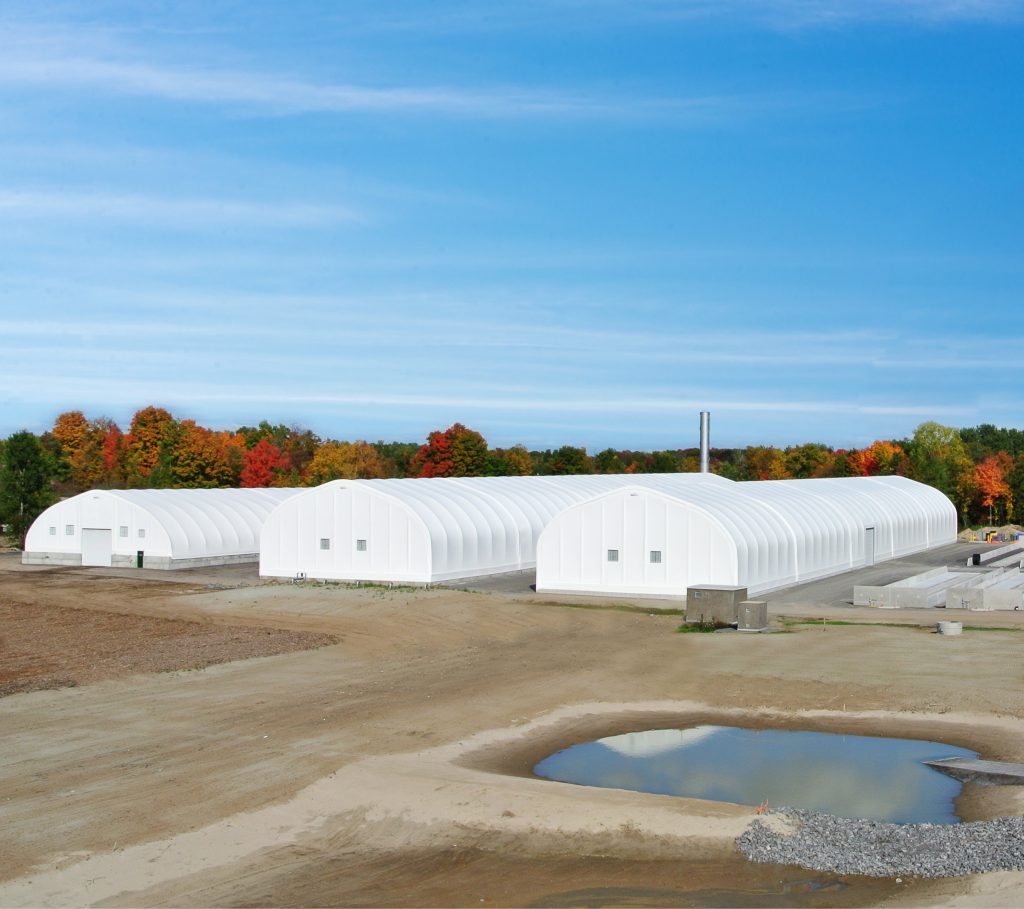
Their MegaDome line covers the full spectrum of Ontario applications: livestock and equestrian buildings, grain storage, salt and sand domes, industrial shelters, waste management covers, and institutional or municipal structures. All structures are engineered to meet the Ontario Building Code 2020 (OBC) snow, wind, and seismic load requirements for the specific project location.
MegaDome Key Specifications
|
Manufacturer |
Industries Harnois (MegaDome brand) |
|
Founded |
1965, Quebec, Canada |
|
Clear Span Range |
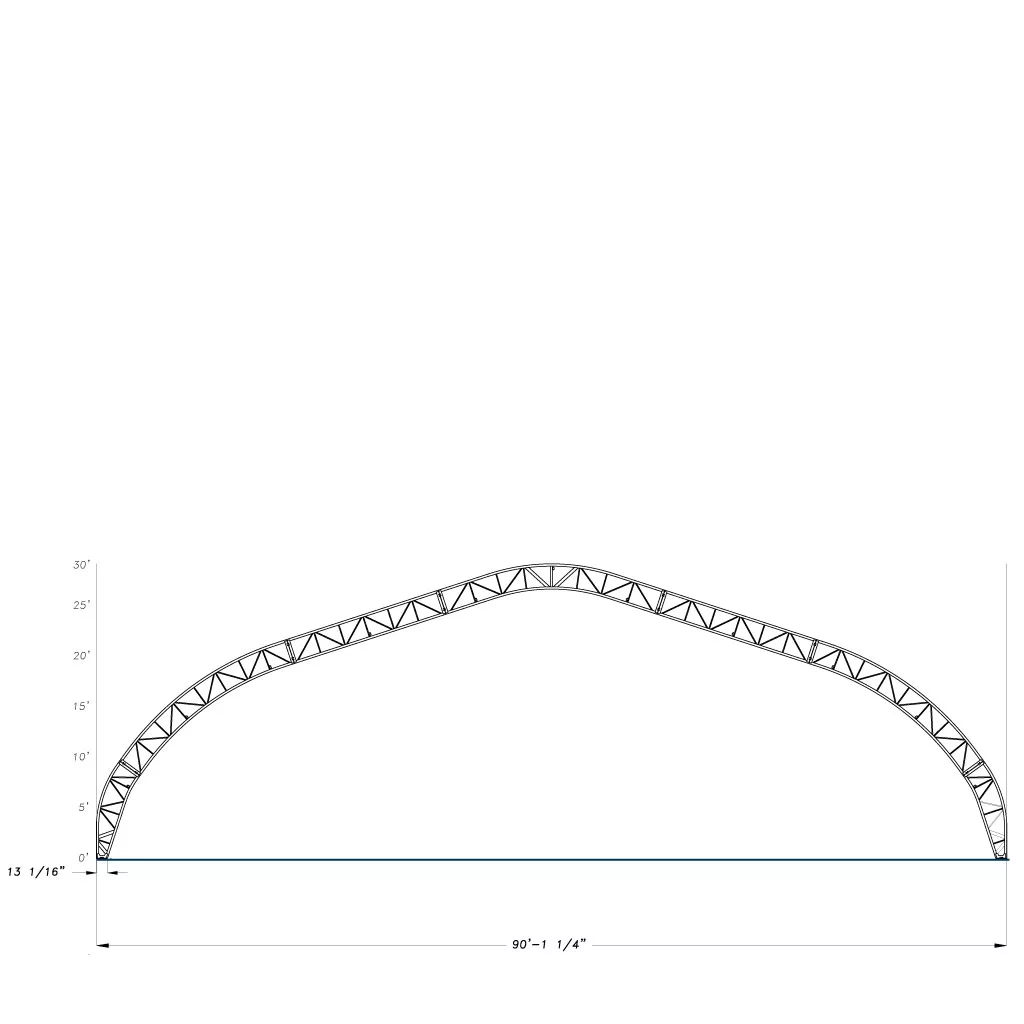
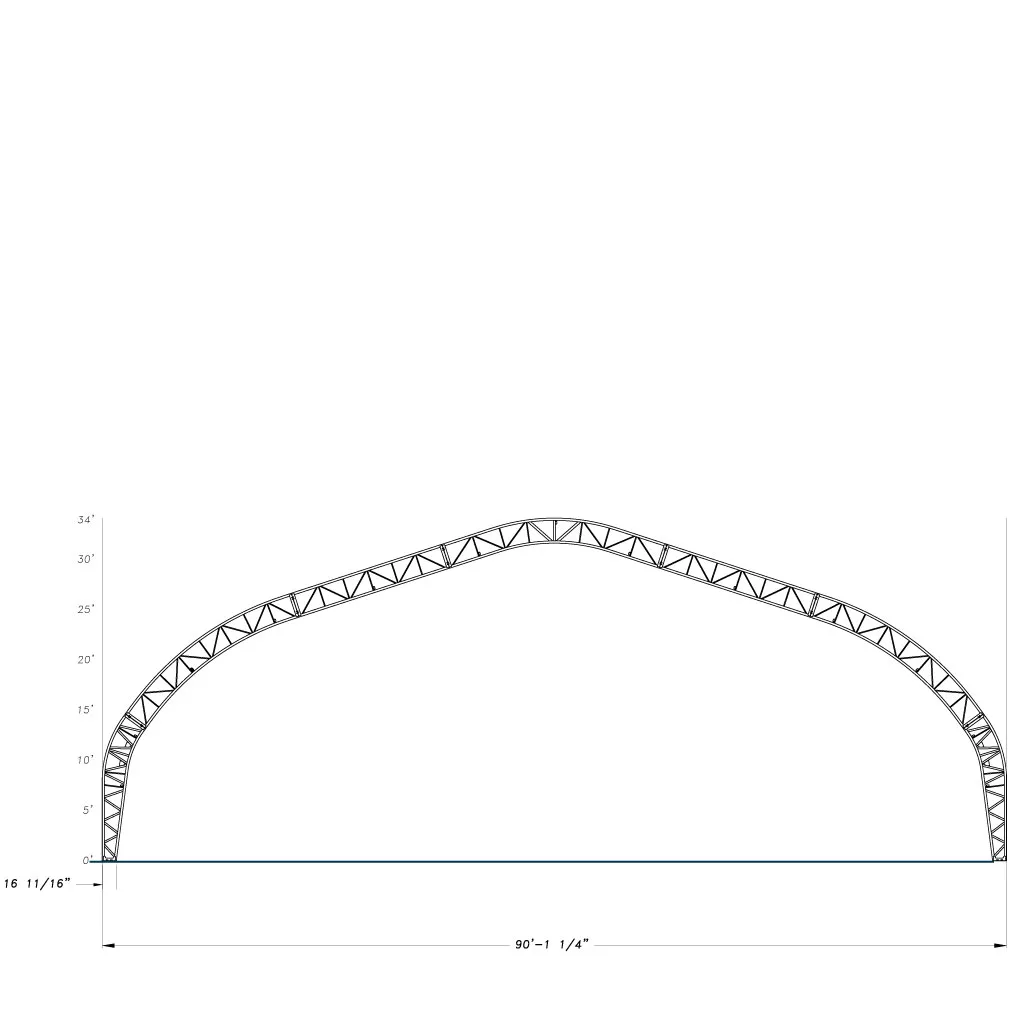
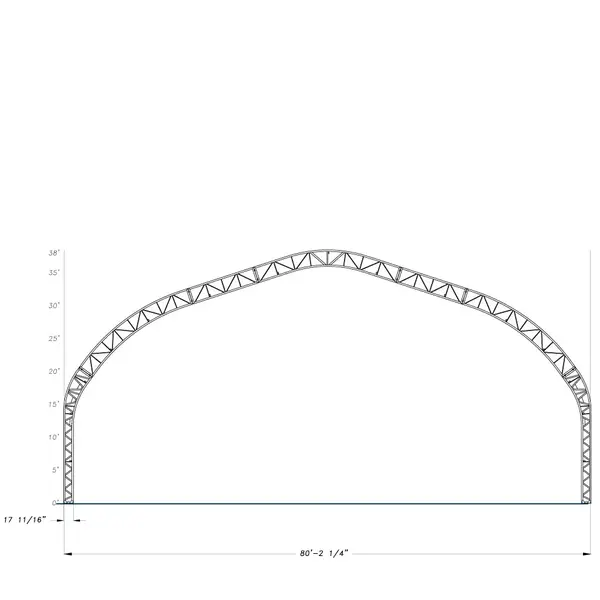
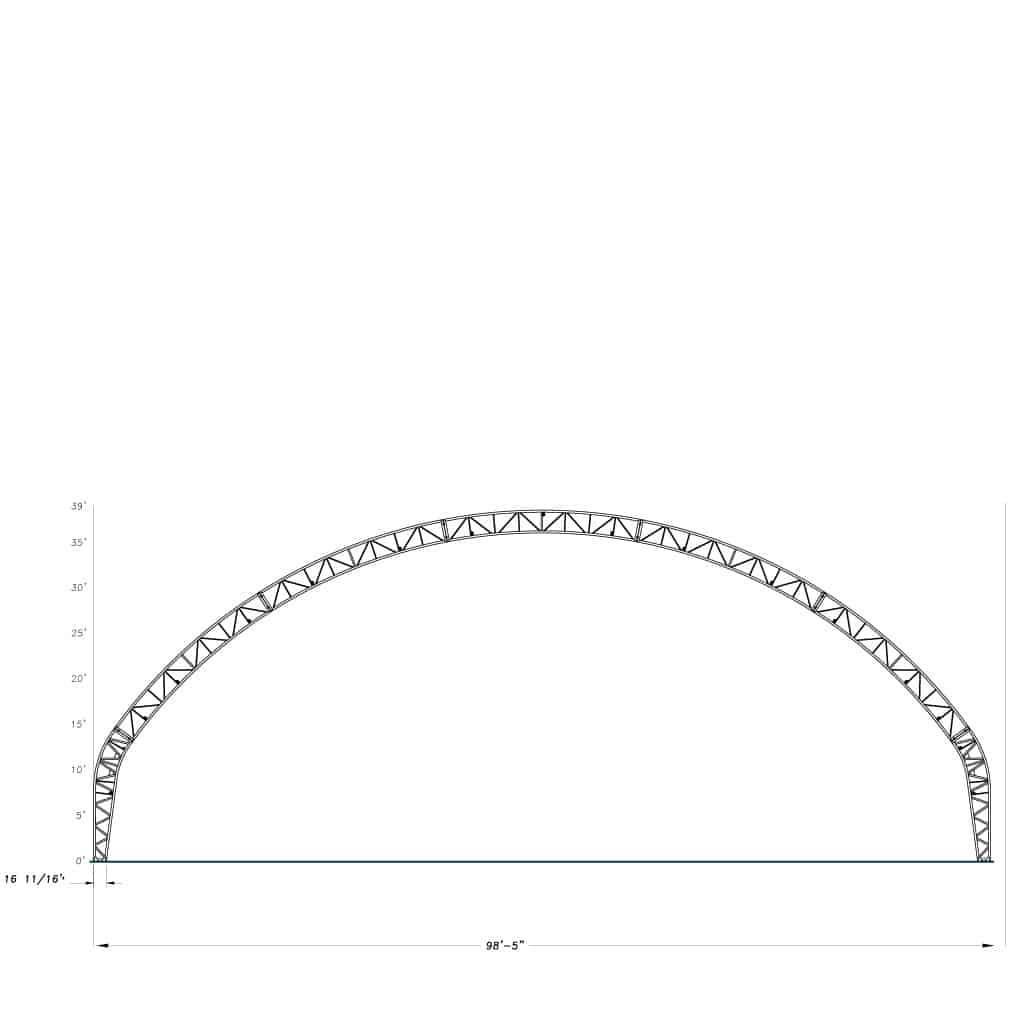
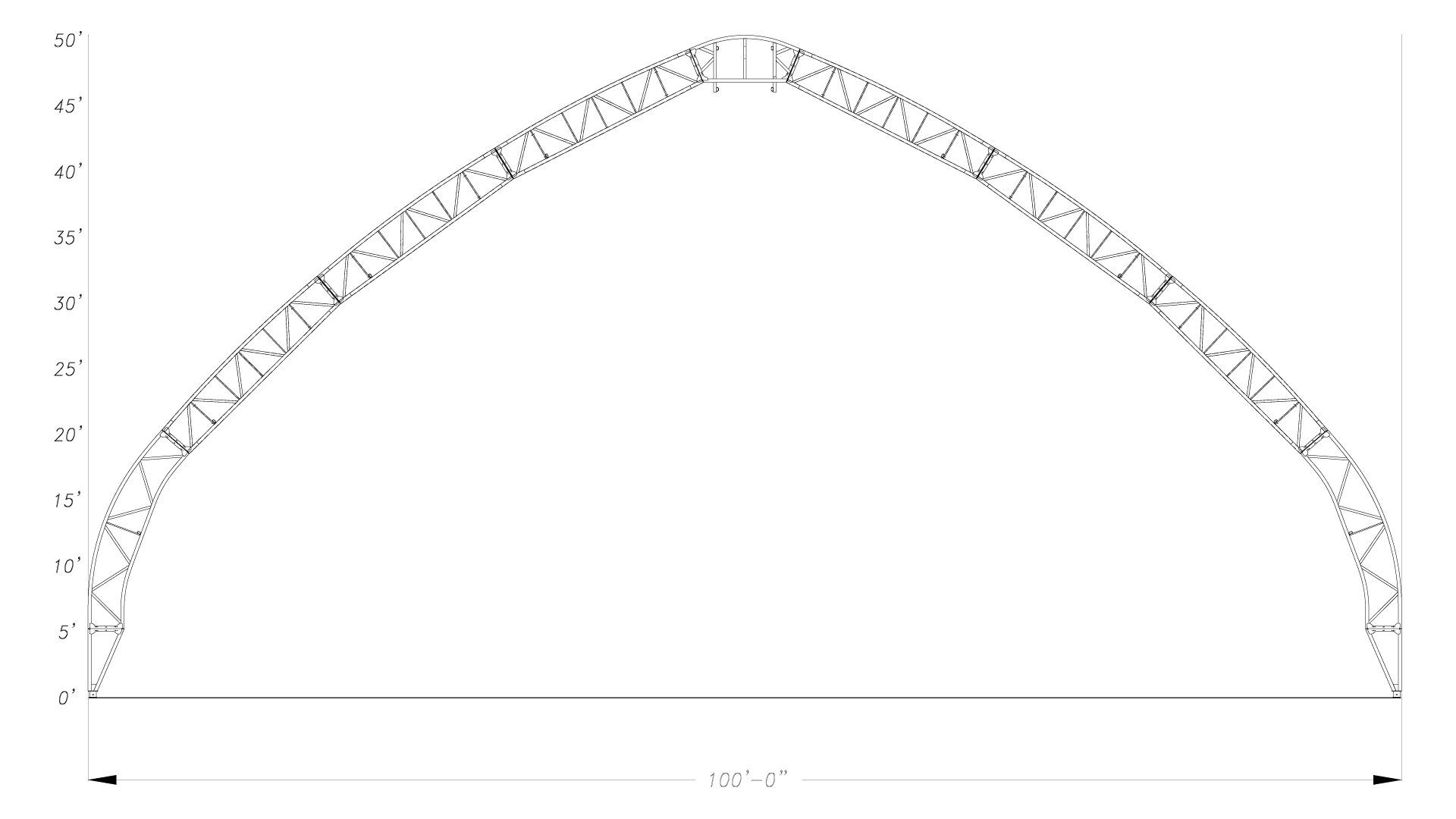
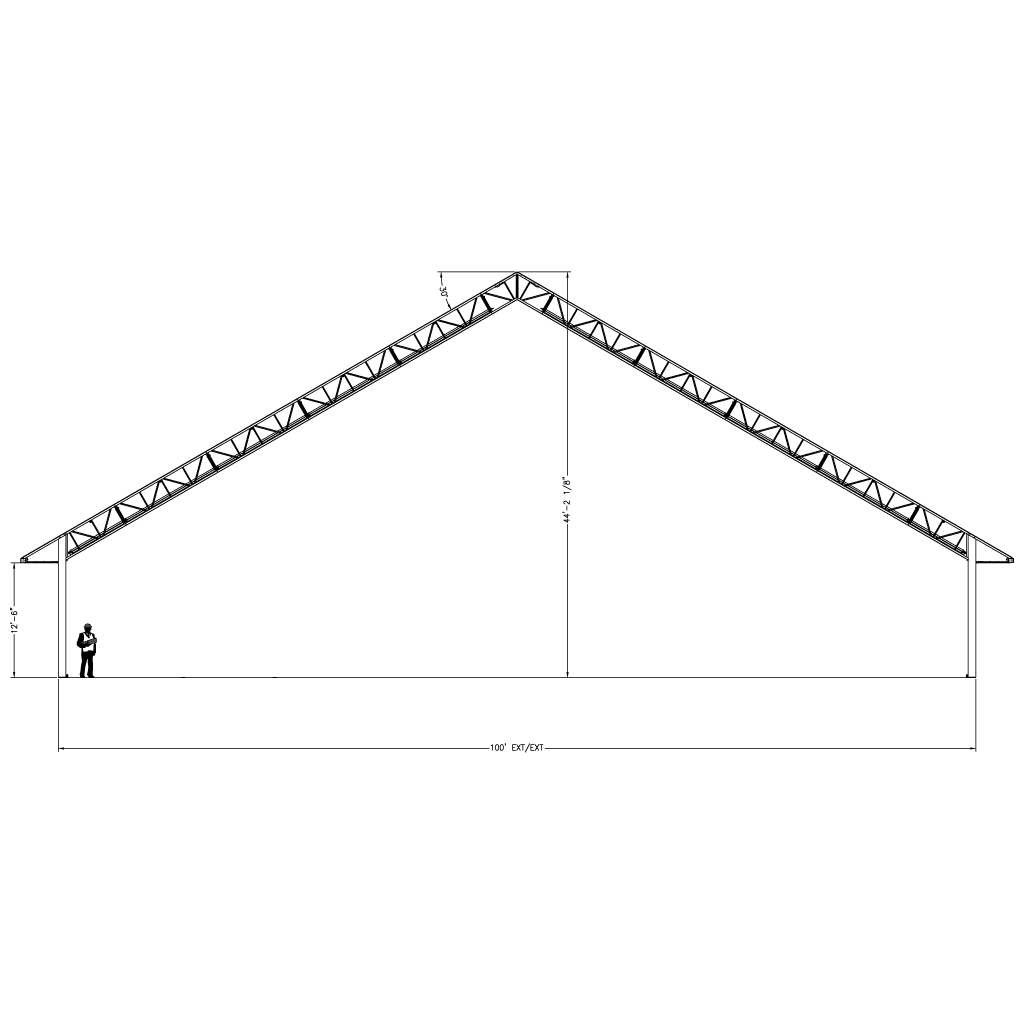
Widths from 33 ft to 100 ft for the DB Series |
|
Frame Material |
Hot dipped galvanized steel or pre-galvanized |
|
Membrane |
HDPE PowerShield |
|
Warranty |
Up to 15 years membrane warranty (product dependent) |
|
Engineering |
OBCcompliant – snow, wind, seismic loads by location |
|
Ontario Coverage |
Multiple authorized dealers and installers across Ontario |
|
Agriculture, industrial, municipal, equestrian, salt/sand storage, waste management |
8 Fabric Building Distributors in Ontario
MegaDome’s Ontario distributor network spans the province, from the Golden Horseshoe to Northern Ontario and Eastern Ontario’s agricultural belt. Each distributor is an authorized installer that has a direct relationship with a fabric building manufacturer in Ontario. The distributor can support, regional permitting knowledge, and on-the-ground installation capability.
Integra Manufacturing - Tillsonburg, ON
info@integra-innovations.com | (519) 550-3981 | Service area: Southern Ontario
CoverIT Canada - Thornhill, ON
info@coveritcanada.com | 1-844-242-6837 | Greater Toronto Area and Southern Ontario
Equipements TNO - Northern Ontario
info@equipementstno.com | (705) 363-6428 | Service area: Northern Ontario
Prescott Ag Con - Hawkesbury, ON
cojamin@hotmail.com | (613) 677-2305 | Service area: Eastern Ontario
Peter Fine Products - Langton, ON
george.peters01@gmail.com | (519) 619-7648 | Service area: Southwestern Ontario
Homegrown Construction - St. Catharines, ON
jesse@home-grownconstruction.com | (905) 931-1626 | Service area: Southwestern Ontario
LCI Builds - Coreil, ON
francis@lcibuilds.ca | 1-705-825-4529 | Service area: Northern Ontario
Integrity Builds - Kingsville, ON
integritybuilds94@gmail.com | 1-519-981-7006 | Service area: Southwestern Ontario
How to Choose the Right Fabric Building Manufacturer in Ontario
With several strong options available, the right choice depends on your project’s location, application, timeline, and budget. Use this framework to evaluate any fabric building manufacturer in Ontario:
1. Ontario Specific Engineering Credentials
This is nonnegotiable. Any fabric building installed in Ontario must be engineered to comply with the Ontario Building Code (OBC), which mandates sites pecific snow loads (Ss and Sr), wind pressure design, and foundation depth below local frost penetration. Request stamped engineering drawings from a licensed Ontario professional engineer (P.Eng.) before signing any contract. Be wary of companies offering generic or out of province engineering for Ontario installations.
2. Local Manufacturing Presence and Coverage
A fabric building manufacturer in Ontario – or one with a strong regional dealer network – offers meaningful advantages: faster delivery, lower shipping costs, familiarity with local permitting processes, and accessible aftersales service. Ask specifically which dealer or installer will be responsible for your project and confirm they carry current WSIB clearance and liability insurance.
3. Industry Experience and Product Range
Match the manufacturer’s portfolio to your specific application. A company that specializes in agricultural tension fabric structures may not be the best choice for a municipal salt dome, and vice versa. Look for demonstrated experience with similar projects, ideally in your region. Request references from comparable Ontario installations.
4. Warranty and Long Term Support
Evaluate the membrane warranty, structural warranty, and what ongoing support looks like after installation. A 15 year membrane warranty is table stakes; premium manufacturers like Harnois offers. Confirm who handles warranty claims – the fabric building manufacturer in Ontario or the local installer – and what the process involves.
5. Total Cost, Not Just Purchase Price
Compare fabric building options on total installed cost, including foundation, delivery, installation labour, permit fees, and any required site preparation. A lower purchase price can quickly be offset by higher installation costs, inferior materials requiring earlier replacement, or a lack of local support driving up service costs over time.
6. Permit Process Readiness
In most Ontario municipalities, fabric buildings require a building permit – this applies to both farm and nonfarm buildings. Choose a manufacturer or distributor who can assist with the permit application, provide required engineering documentation promptly, and has experience navigating local building departments. Delays in permitting are the most common cause of project cost overruns.
Fabric Building Manufacturer in Ontario: Making the Right Choice
Fabric buildings represent one of the most versatile, cost effective, and rapidly deployable building solutions available in Ontario today. Whether you need a clear span agricultural barn to protect livestock through a Northern Ontario winter, a salt dome to support municipal road maintenance, or an industrial storage structure to expand capacity without a multiyear construction project, engineered fabric structures deliver.
The key is matching your project to the right fabric building manufacturer in Ontario – one with proven OBC compliant engineering, the right product range for your application, and a credible local installation and support network. MegaDome by Harnois, supported by established Ontario distributors including CoverIT Canada, Equipements TNO , and Integra Manufacturing, represents the strongest and most thoroughly supported supply chain currently available in the province.
Take time to request quotes from multiple providers, verify engineering credentials, check WSIB status, and speak to reference clients before committing. A well-chosen fabric structure will serve your operation reliably for 25 years or more.
Fabric Building Manufacturer in Ontario - FAQ
Do I need a building permit in Ontario for a fabric building?
In most cases, yes - and this applies to both farm and nonfarm buildings. Permit requirements are set by your local municipality under the Ontario Building Code framework. The application typically requires stamped engineering drawings, a site plan, and documentation of OBC compliance. Confirm requirements early with your local building department, as lead times for permit approval vary significantly across Ontario - from a few weeks in rural municipalities to several months in urban areas.
How are wind and snow loads determined under the Ontario Building Code?
Load calculations follow OBC Part 4 structural requirements using location specific climate data - including ground snow load (Ss), associated rain load (Sr), and reference wind pressure (q). These values are published by the National Research Council of Canada and vary significantly across the province: Northern Ontario, the Bruce Peninsula, and areas near the Great Lakes have substantially higher design loads than Southern Ontario. Your engineer will apply the OBC provisions, importance factors, and exposure categories to properly size the structure for your specific site.
What foundation is recommended for Ontario soils and frost?
Foundations must be designed for the local frost penetration depth - which ranges from roughly 1.2 m in Southern Ontario to over 1.8 m in Northern regions - and must account for your site's soil conditions. Common foundation solutions include concrete piers (sonotubes), cast in place grade beams, precast concrete blocks, and steel helical piles. The right choice depends on soil bearing capacity (sand, clay, rock), site drainage, and the structural loads of the specific building. Always engage a licensed Ontario geotechnical or structural engineer to specify the foundation system.
Are farm fabric buildings treated differently under Ontario regulations?
Farm buildings are subject to the OBC and applicable local bylaws, and typically still require a building permit. Some municipalities have streamlined processes for agricultural applications, and certain exemptions may apply to very small accessory farm structures - but do not assume this is the case without confirming with your local building department. Some agricultural fabric building projects may also trigger additional review under the Nutrient Management Act or Drainage Act, depending on use.
What documentation should I request from an Ontario installer?
Before any work begins on your fabric building project, request the following from your installer: proof of general liability insurance (minimum $2 million is standard for construction work), a current WSIB Clearance Certificate confirming the contractor is registered and in good standing, and a copy of the signed contract detailing scope of work, material specifications, installation timeline, and warranty terms. For projects over a certain contract value, a performance bond may also be appropriate.
Are there special rules for municipal salt and sand storage domes in Ontario?
Yes. Municipal road maintenance facilities storing de icing salt are subject to provincial environmental requirements and federal best practice guidance. The Ontario Ministry of the Environment, Conservation and Parks expect covered storage, secondary containment, and stormwater runoff controls as part of a documented salt management plan. Fabric buildings used for salt domes should be designed with appropriate drainage slopes, impermeable flooring, and membrane materials rated for salt exposure. Operations must be managed to minimize chloride impacts on groundwater and nearby water bodies.