
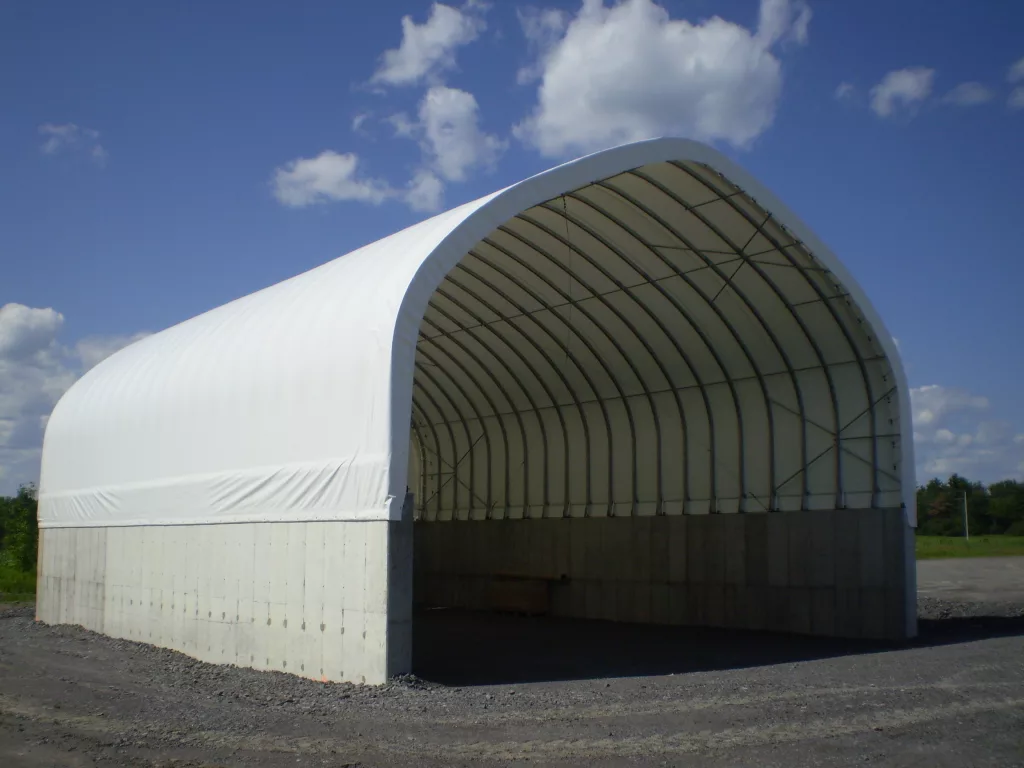

Portable Building Manufacturer: Structures Built for Performance and Mobility
What Is a Portable Building Manufacturer?
- Designed for specific snow, wind, and seismic loads
- Built using structural steel or high-performance framing systems
- Manufactured to meet local and national building codes
- Customizable in width, length, height, and cladding options
- Engineered for multi-season or year-round use
- Equipment storage facilities
- Industrial workshops
- Agricultural buildings
- Aircraft hangars
- Salt and sand storage domes
- Municipal fleet shelters
- Warehousing and logistics facilities
Key Features of Portable Fabric Buildings
1. Structural Steel Framing
- High snow-load regions
- Coastal wind exposure
- Freeze-thaw cycles
- Long-span clear interiors
2. Customizable Dimensions
- Variable widths (from small storage units to large-span industrial buildings)
- Expandable lengths
- Adjustable sidewall heights
- Modular expansion capabilities
3. Fabric or Steel Cladding Options
- High-tension polyethylene fabric membranes
- Insulated metal panels
- Galvanized steel siding
- Hybrid systems
4. Foundation Flexibility
- Concrete slabs
- Pier systems
- Screw piles
- Asphalt pads
- Compacted gravel bases
Portable Buildings vs. Conventional Construction
| Installation Time | Weeks | Months |
| Upfront Cost | Lower | Higher |
| Expandability | High | Limited |
| Relocation | Possible | Not feasible |
| Foundation Requirements | Flexible | Permanent |
| Downtime Impact | Minimal | Significant |
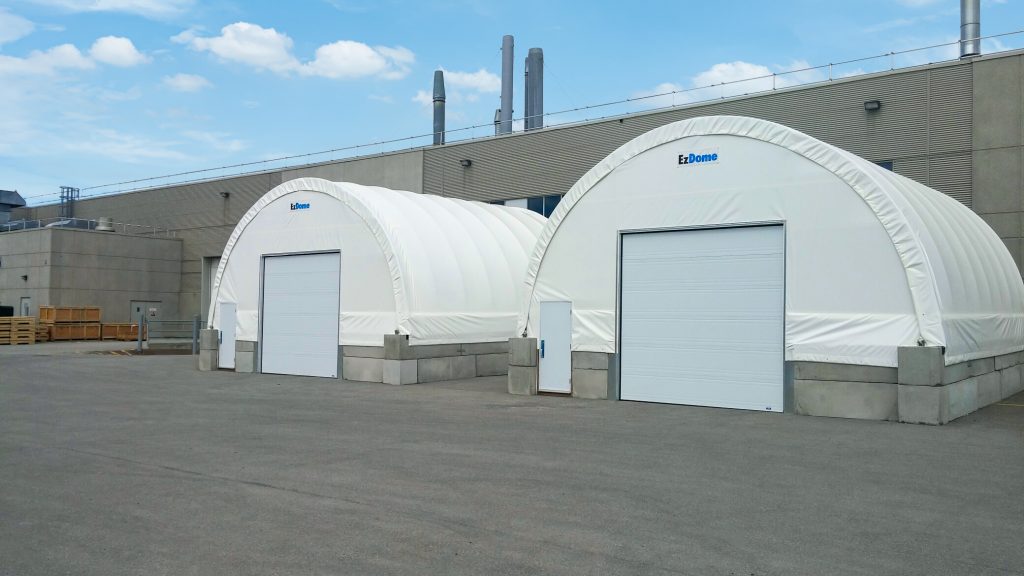
Industries That Rely on Portable Building Manufacturers
Agriculture
- Equipment storage
- Livestock housing
- Feed storage
- Processing areas
Municipal & Public Works
- Salt and sand storage
- Fleet vehicle storage
- Emergency response shelters
Industrial & Manufacturing
- Temporary production lines
- Overflow warehousing
- Maintenance facilities
Aviation
- Portable aircraft hangars
- Maintenance bays
- Seasonal storage
Engineering Considerations When Choosing a Portable Building Manufacturer
Manufacturing Location
- Align better with regional climate demands
- Meet CSA, ICC, or local standards
- Offer better warranty protection
- Provide faster lead times and support
Frame Geometry
- Improved load distribution
- Greater structural efficiency
- Reduced material fatigue
- Enhanced longevity
Fabric Tensioning Systems
- Maintain tight fabric tension
- Reduce flapping and wear
- Improve wind resistance
- Extend cover lifespan
Benefits of Working With a Professional Portable Building Manufacturer
Faster Deployment
Lower Total Cost of Ownership
Expandability
Operational Continuity
Sustainability
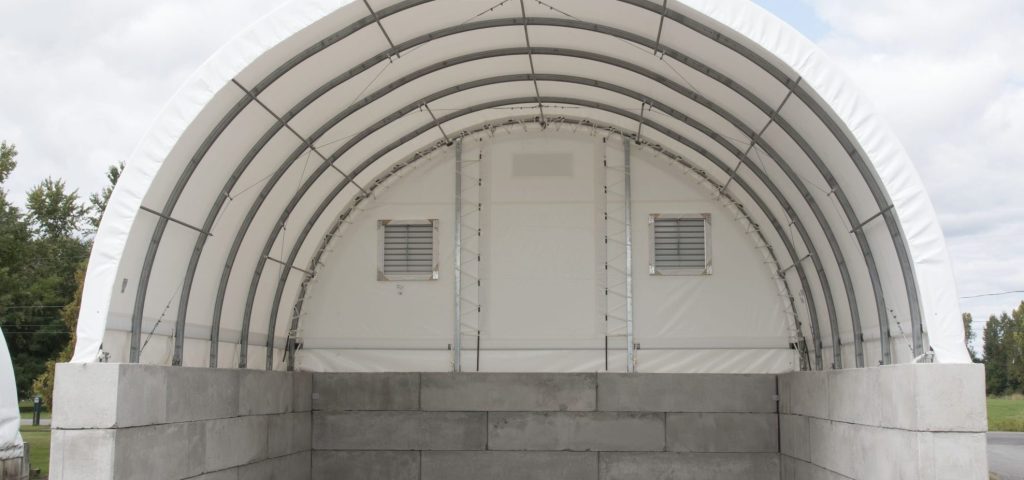
Common Misconceptions About Portable Buildings
Reality: Engineered portable buildings can be permanent-grade structures with long service life.
Reality: High-tension membrane systems are engineered for heavy snow and wind loads.
Reality: Modern systems offer significant customization in dimensions and applications.
How to Select the Right Portable Building Manufacturer
- Years of industry experience
- Portfolio of completed projects
- Engineering credentials
- Warranty coverage
- After-sales support
- Installation services
- Material sourcing transparency
Future Trends in Portable Building Manufacturing
The industry is evolving toward:
Higher-performance steel profiles
Improved membrane durability
Energy-efficient insulation systems
Hybrid steel-fabric designs
Modular expansion platforms
Digital structural modeling
Manufacturers investing in engineering innovation will lead the market.
A professional portable building manufacturer delivers more than a shelter, they provide engineered infrastructure designed for performance, longevity, and adaptability.
For industries operating in challenging climates or dynamic markets, portable buildings represent a strategic alternative to traditional construction. The key lies in selecting a manufacturer with proven engineering expertise, regional compliance knowledge, and scalable design capabilities.
When properly engineered and installed, portable buildings offer a powerful combination of strength, speed, and operational flexibility.